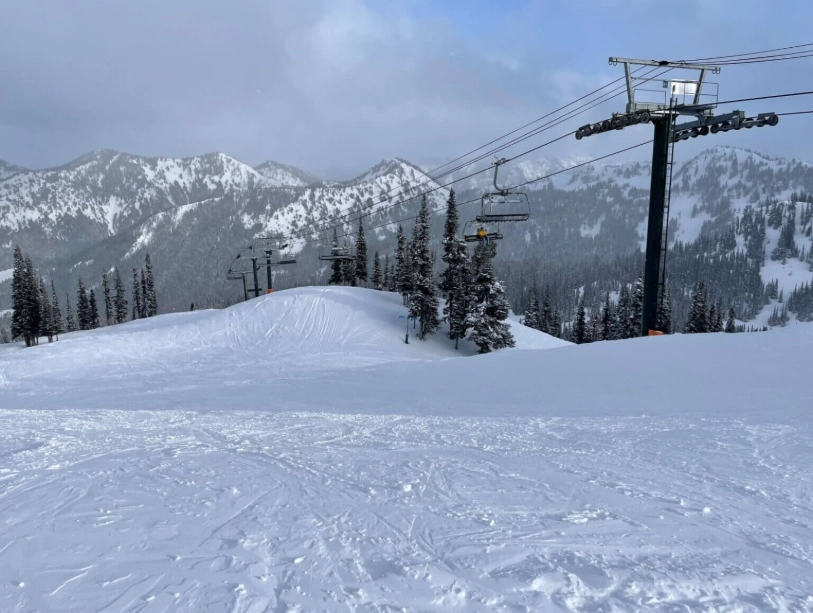
Moguls skiing isn't just about surviving those lumpy snow mounds—it's about dancing down the fall line with control and grace. Most skiers hit a wall here, but with the right approach, you can turn moguls from a nightmare into your favorite run. I've spent over a decade coaching and skiing moguls, and I'll share the insights that most guides miss.
What You'll Learn in This Guide
What Are Moguls and Why Do They Terrify Skiers?
Moguls are those bumpy formations on ski slopes, created naturally as skiers turn and push snow into mounds. They're not random—they follow the fall line, the steepest path down. The International Ski Federation (FIS) notes that moguls skiing is a disciplined sport, but on recreational slopes, they often form chaotically.
Why do they scare people? It's simple: moguls demand quick reflexes and precise balance. One wrong move, and you're eating snow. I remember my first mogul run at Whistler—I thought I'd nailed it, then face-planted into a icy bump. The key is understanding they're predictable if you read the line.
The Physics Behind Moguls
Each mogul has a crest and a trough. Skiing them efficiently means using the troughs for turns and the crests for absorption. Ignore this, and you'll bounce around like a pinball. A report from the University of Utah's ski research team highlights how moguls affect ski-snow interaction, but in plain terms, think of it as rhythm over power.
How to Ski Moguls: A Step-by-Step Technique Breakdown
Forget the fancy jargon. Here's how to break down moguls skiing into actionable steps.
Step 1: Vision and Line Selection
Look ahead, not at your skis. Pick a line that follows the fall line, weaving through troughs. Most skiers stare at the bump right in front, which causes panic turns. I teach students to spot three bumps ahead—it changes everything.
Step 2: Body Position and Absorption
Keep your upper body facing downhill, quiet and stable. Let your legs do the work: bend knees and ankles to absorb each bump, then extend smoothly. A common error is stiff legs; that's why legs burn out fast.
Step 3: Turn Timing and Pole Planting
Turn in the troughs, not on the crests. Use pole plants for rhythm—tap lightly to mark turns. Without poles, you'll lose timing. I've seen skiers skip pole plants and wonder why they're off-balance.
Pro Tip: Start on a blue-run mogul field, not a black diamond. Practice slow, controlled turns before adding speed. Speed without control is just a crash waiting to happen.
Essential Gear for Moguls Skiing: What Actually Works
Gear matters, but don't overcomplicate it. Here's what I recommend based on testing and coaching.
| Gear Type | Recommendation | Why It Matters |
|---|---|---|
| Ski Boots | Stiff flex (90-120 index) | Provides quick response; too soft, and you'll lag in turns. |
| Skis | All-mountain, 85-95mm waist | Balances agility and stability; wider skis are sluggish. |
| Poles | Adjustable, lightweight | For precise planting; heavy poles tire arms. |
| Helmet | Full-shell with MIPS | Safety first—moguls mean falls, and head protection is non-negotiable. |
I made the mistake of using powder skis on moguls once—never again. They were too wide and slow to react. Stick to mid-width models. For boots, ensure they're snug but not cutting off circulation; many skiers over-tighten, causing numbness.
Tuning and Maintenance
Sharpen edges regularly. Dull edges skid on icy moguls, leading to loss of control. A base grind once a season helps, but don't over-tune—some texture aids grip.
Common Mistakes in Moguls Skiing and How to Fix Them
Everyone messes up. Here are the top blunders I see, and how to correct them.
- Leaning Back: It feels safe, but it puts weight on tails, causing skis to slide. Fix: Stay centered, pressure the shins against boot tongues.
- Over-rotating Upper Body: Twisting shoulders throws balance. Fix: Keep shoulders facing downhill; initiate turns with feet.
- Skiing Too Fast Too Soon: Speed amplifies errors. Fix: Master slow, rhythmic turns first. Build speed gradually.
A student of mine kept falling because she'd panic and straight-line through moguls. We slowed it down, focused on line selection, and within a day, she was linking turns smoothly. It's about patience.
Training Drills to Improve Your Moguls Skills
Off-snow practice can transform your moguls skiing. Here are drills I use with clients.
Drill 1: Lateral Jump Training
Stand on one leg, jump side to side. This builds leg strength and agility for bump absorption. Do 3 sets of 10 jumps per leg, daily.
Drill 2: Balance Board Turns
Use a balance board or Bosu ball. Mimic turning motions while maintaining balance. It improves proprioception—your body's sense of position.
Drill 3: Dryland Pivot Slips
On flat ground, practice quick pivots of your feet, keeping upper body still. This trains muscle memory for moguls turns. I did this for a month and saw a noticeable difference in control.
Incorporate these into your routine, and you'll feel more confident on snow. A study from the National Ski Areas Association suggests off-season training reduces injury risk, but more importantly, it makes skiing fun again.
Your Moguls Skiing Questions Answered
Moguls skiing isn't about brute force. It's a skill that blends technique, gear, and mindset. Start small, practice consistently, and soon you'll be carving down those bumps with a smile. Remember, every expert was once a beginner who didn't give up.