In This Guide
- What Exactly is a Button Lift? (It's Not That Scary)
- The Step-by-Step Guide to Not Wiping Out
- Why Do People Fall on Button Lifts? (The Top 5 Reasons)
- Button Lift vs. Other Lifts: A Quick Comparison
- Pro Tips & Tricks They Don't Tell You
- FAQs: Answering Your Real Questions
- Final Thoughts: Embrace the Button Lift
Let's be honest. The first time you see a button lift – that weird disc on a pole coming out of the ground – your heart probably sinks a little. It looks nothing like a comfy chairlift. It's just you, a small plastic seat, and a steep slope. The fear of the infamous button lift wipeout is real. I've been there, frozen at the loading area, watching people ahead of me tumble like dominoes.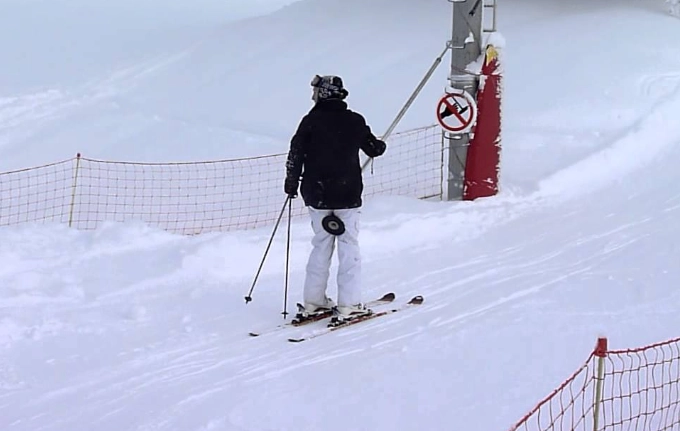
But here's the thing. Mastering the button lift ski, also called a poma lift or platter lift, is a total game-changer. It opens up so many beginner and intermediate runs that chairlifts simply don't service. Once you get it, it's almost... relaxing. No complicated bar to lower, no need to sync with a partner. Just you and the ride up.
What Exactly is a Button Lift? (It's Not That Scary)
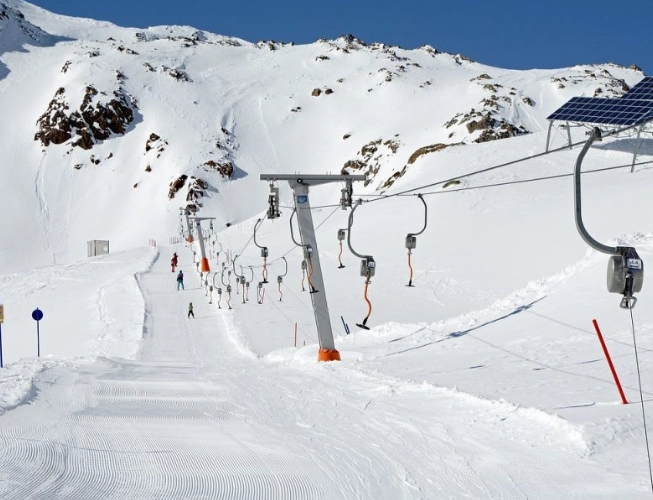
Before we dive into technique, let's demystify the machine. A button lift is a surface lift. The "button" is the disc or platter you sit on. It's attached to a moving cable that runs in the snow, pulling you uphill while you stand on your skis or snowboard. They're common in Europe and on beginner slopes worldwide because they're cheaper to install and run than chairlifts.
Why is button lift skiing so tricky for newbies? It's a unique physical challenge. A chairlift carries your full weight. A button lift only provides an upward pull; you have to maintain your balance and direction. It's like the difference between being carried in a sedan chair and being towed on a skateboard.
The Step-by-Step Guide to Not Wiping Out
Forget the overly complex instructions. Here's the simple, actionable process.
1. The Load Zone: Don't Rush, Get Ready
Watch the people ahead of you. See how the disc comes around? The loading area usually has tracks or a slight groove in the snow. Get into that track. Keep your ski tips pointed straight up the hill. Seriously, straight. A slightly turned tip is a recipe for a twist and fall.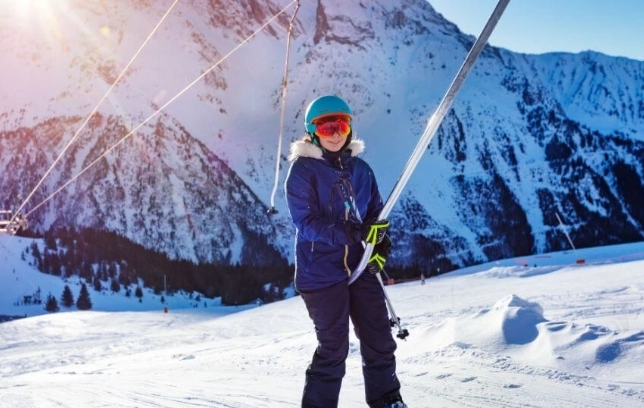
Stagger your stance a tiny bit, one foot slightly ahead of the other. It gives you a more stable base. Hold your poles in one hand, out of the way.
2. The Grab & Sit: Smooth is Fast
As the disc arrives, grab the pole with your free hand. Don't snatch at it. Guide the disc between your legs and sit on it. Let it take your weight. Don't try to hover over it – that's exhausting and unstable. Just sit.
I see so many people tense up here. They stiffen their legs, lean forward, and prepare for a battle. Don't. Your job is to be a passive passenger. Let the lift do the work.
3. The Ride Up: The Art of Doing Nothing (Well)
This is the crucial part. You're moving now.
- Posture: Stand tall, but relaxed. A slight, athletic bend in the knees is good. Don't crouch.
- Weight: Keep it evenly distributed on both skis. Leaning back will make the disc pull you over. Leaning forward makes you tip onto your faces.
- Ski Position: KEEP THEM STRAIGHT. Look at the track in the snow and follow it. If you feel a wobble, make tiny, subtle adjustments with your ankles, not a big leg swing.
- Poles: Tuck them under one arm. Don't let them drag.
What if you're on a snowboard? Face sideways (regular or goofy), put the disc between your legs, and keep your board straight in the fall-line. It's actually easier in some ways because you're naturally stable in that stance.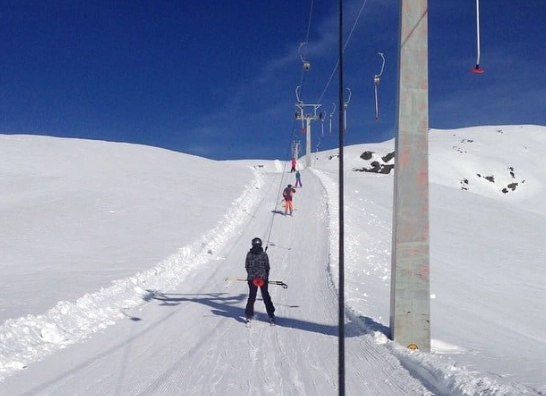
4. The Unload: The Final Hurdle
See the offload zone approaching? It's usually flat or slopes away gently.
Do not jump off early. Ride the disc all the way into the offload area. As you feel the pull lessen and the terrain change, simply stand up off the disc, let it go, and ski or snowboard away from the track. Push off with a gentle pole plant if needed. Move out of the way quickly for the person behind you.
The pull stops? Just let go and step aside.
Why Do People Fall on Button Lifts? (The Top 5 Reasons)
Understanding the common failures is half the battle to avoiding them.
- Crossed Ski Tips: This is the #1 cause. You look down, one tip drifts, they cross, and you're instantly tangled and down.
- Fighting the Pull: Leaning back as if you're waterskiing. The lift will win. It always wins. You'll end up on your back.
- The Death Grip: Holding the pole for dear life and pulling down on it. This alters your balance and often pulls you sideways.
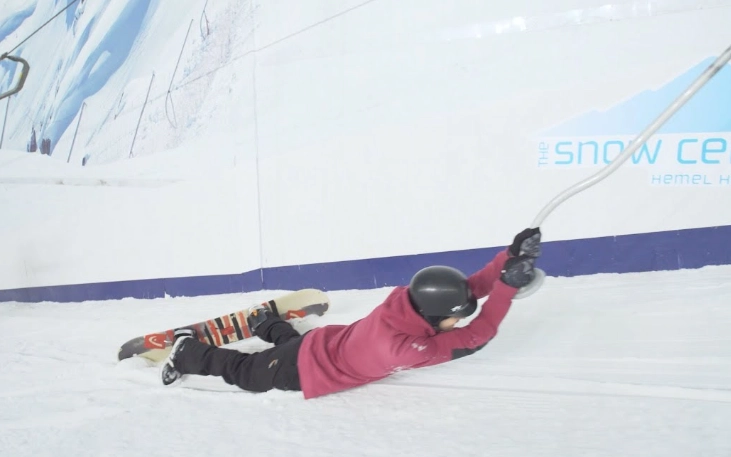
- Panic Bail: Getting nervous halfway and just letting go. Now you're stuck on a steep slope, skis across the fall line, and have to sidestep up or down. It's a mess.
- Improper Unload: Trying to get off while the lift is still pulling strongly, leading to a stumble.
Falling isn't the end of the world. If you do fall, let go of the disc immediately so it doesn't drag you. Scoot out of the track so others don't hit you. Gather yourself and either sidestep to the side or wait for ski patrol if you're hurt. Everyone falls learning this.
Button Lift vs. Other Lifts: A Quick Comparison
| Lift Type | Best For | Key Challenge | My Personal Take |
|---|---|---|---|
| Button Lift (Poma) | Beginners, short/medium slopes, low-traffic areas | Balance & straight-line tracking | Intimidating at first, but simple and efficient once clicked. |
| T-Bar Lift | Two riders, slightly steeper terrain | Synchronizing with a partner | Can be awkward with a stranger. Weight mismatch is a pain. |
| Chairlift | All levels, long climbs, rest | Loading/unloading timing | The king of comfort. No contest. |
| Rope Tow | Very short slopes (often beginner magic carpets) | Grip strength & not getting pulled over | Brutal on gloves. I avoid them if there's any other option. |
Pro Tips & Tricks They Don't Tell You
Once you've got the basics, these little hacks make button lift skiing even easier.
- Look Ahead, Not Down: I know I said it, but it's worth repeating. Pick a point at the top of the lift (a sign, a tree) and stare at it. Your body will naturally align.
- The Loose Grip: Hold the pole lightly, just enough to guide the disc. Imagine you're holding a baby bird.
- Use the Track: The snow often has a worn groove. Put your skis in it. It acts like train tracks.
- For Snowboarders: Strap your back foot in if it's a long lift. It gives way more control than having it loose.
- If You Get Off-Balance: Make micro-corrections with your edges and ankles. Don't make a big, jerky movement.
FAQs: Answering Your Real Questions
Final Thoughts: Embrace the Button Lift
The button lift ski has a bad rap it doesn't deserve. It's not trying to trick you. It's just a simple, efficient machine. Your job is to be a good passenger.
The fear is worse than the reality. Once you succeed once, the mental block disappears. You'll start seeking out those quiet slopes serviced only by a poma lift, enjoying the peaceful ride up without the chatter of a chairlift.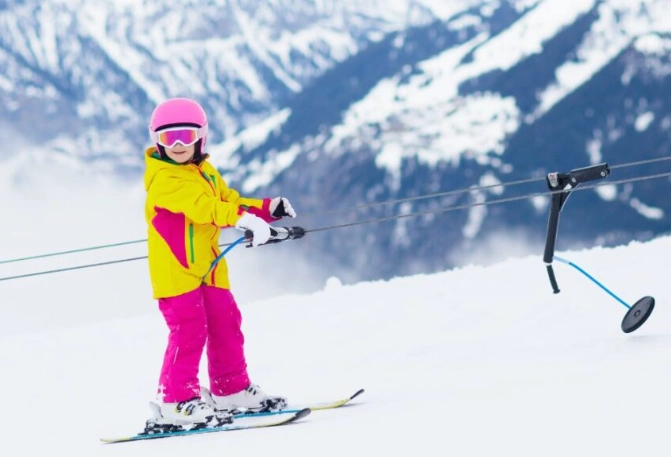
Go find a quiet beginner slope with a button lift and give it a few tries. Watch others first. Then just do it. Sit, stand straight, look up, and go. You've got this.
See you on the slopes.