Quick Navigation
- The Chairlift Ski Foundation: More Than Just a Ride Up
- Mastering the Chairlift Ski Process: A Step-by-Step Breakdown
- Chairlift Ski Safety: It's Not Just About You
- Beyond the Basics: Chairlift Navigation and Etiquette
- Advanced Chairlift Ski Considerations
- Your Chairlift Ski Questions, Answered
- Wrapping It All Up
Let's be honest, loading onto a chairlift can be intimidating the first few times. You're bundled up, your skis feel clumsy, and there's a line of people watching. I remember my first time. I was so focused on not falling over that I completely forgot to lower the safety bar. Not my finest moment.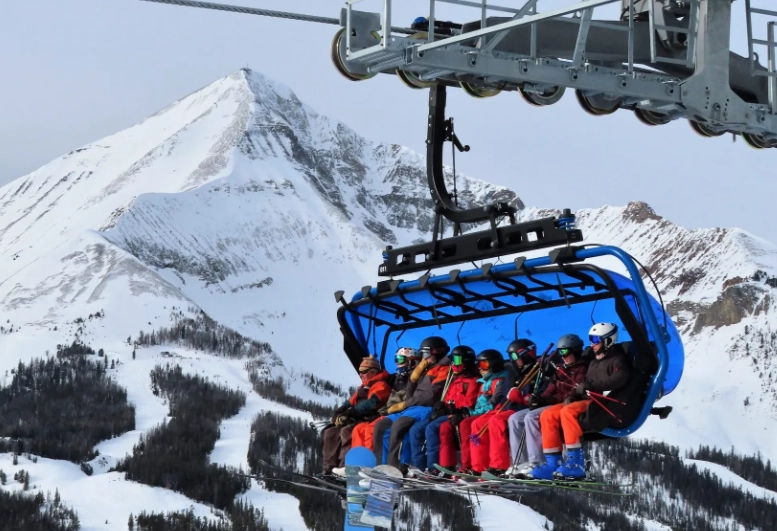
But here's the thing: mastering the chairlift ski process is what unlocks the entire mountain. It's the gateway to fresh powder, stunning views, and longer, more rewarding runs. Once you get the hang of it, it becomes second nature—a peaceful few minutes to catch your breath and plan your next descent.
This guide isn't just a dry list of instructions. It's the collective wisdom from countless days on the slopes, conversations with ski patrollers, and yes, learning from my own mistakes. We'll cover the absolute basics, dive into safety nuances most people ignore, and even talk about how to handle tricky situations you won't find in the resort pamphlet.
The Chairlift Ski Foundation: More Than Just a Ride Up
Why do we even need a guide for this? Because a ski chairlift isn't a passive ride like a bus. It's an active piece of equipment you interact with, and your technique directly affects your safety and the safety of others. The National Ski Areas Association (NSAA) consistently lists lift safety as a core part of their Your Responsibility Code. It's that important.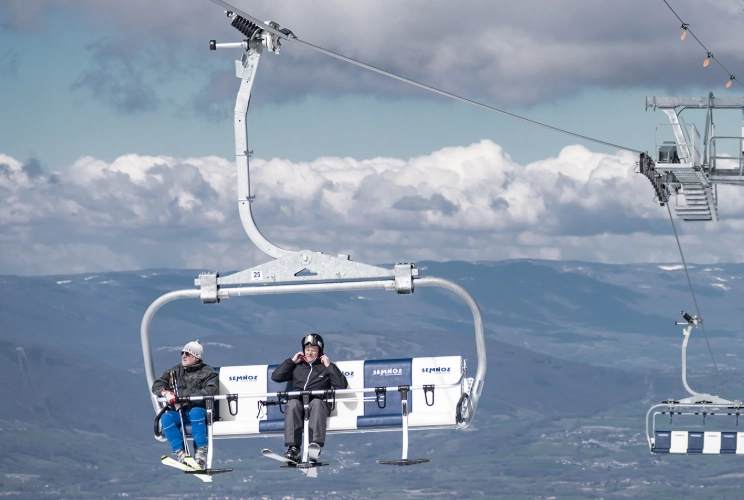
Why the Chairlift is Your Best Friend (and Sometimes a Foe)
Efficiency is the obvious reason. Walking up a mountain in ski boots? No thank you. But beyond that, a chairlift gives you time. Time to scope out the run beneath you, time to chat with friends or make new ones, and time to simply appreciate the alpine environment. The downside? Exposed metal seats on a cold day, and the potential for mechanical delays (which are rare, but they happen).
Types of Ski Lifts: Knowing What You're Getting Into
Not all lifts are created equal. Your loading strategy changes depending on the type. Here’s a quick breakdown of the most common ones you'll encounter at a typical ski resort.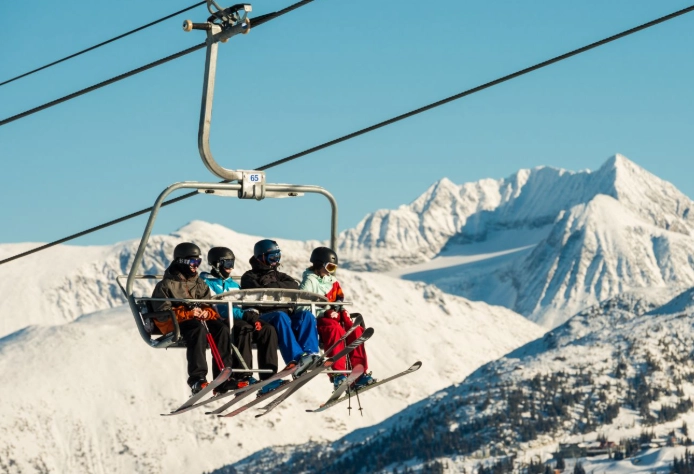
| Lift Type | Best For | Loading Quirk | My Personal Take |
|---|---|---|---|
| Fixed-Grip Chairlift | Beginners, shorter runs, less crowded areas. | The chair comes at a constant, slower speed. Easier for first-timers. | These are the classic workhorses. The ride can feel longer, but they're forgiving to load. |
| High-Speed Detachable ("Express Quad", "Six-Pack") | Intermediate to expert terrain, moving lots of people. | The chair detaches and slows at the station, then reattaches and accelerates. You must be ready and quick. | Love these for getting vertical fast. But if you fumble your poles here, you'll feel the pressure from the queue. |
| Gondola / Cabin | All levels, bad weather, long ascents. | You step in and sit down, often with skis off or in an external holder. Minimal skill needed. | A welcome respite from the wind. The ultimate luxury on a brutal day. |
| Surface Lifts (T-Bar, J-Bar, Rope Tow) | Beginner slopes or short connector lifts. | A whole different skill set involving balance and letting the bar pull you. Can be tricky. | I find these more challenging than chairlifts! They require good core balance. |
See? Already we're moving beyond "just sit down." Knowing you're approaching a high-speed detachable lift mentally prepares you to be swift and precise.
Mastering the Chairlift Ski Process: A Step-by-Step Breakdown
Okay, let's get practical. You're in the line, shuffling forward. Here's what you should be thinking about, from the maze to the unload.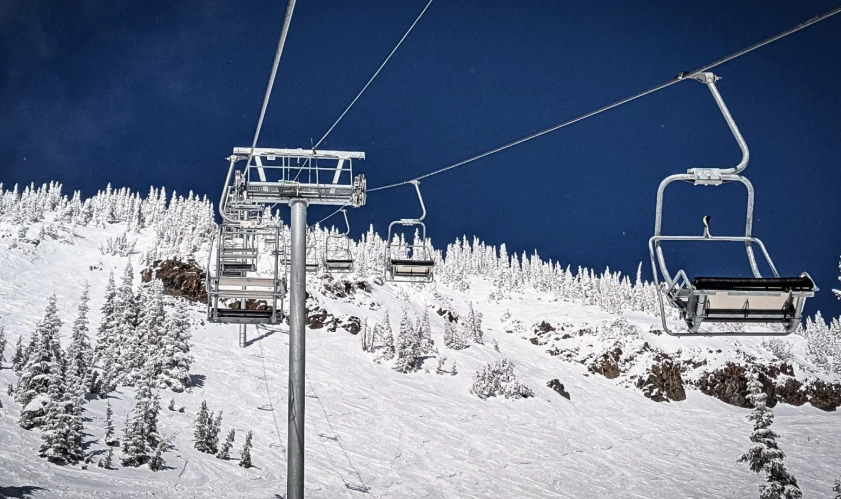
Phase 1: The Approach and Load Zone
This is where most anxiety lives. The key is preparation.
- Merge Like a Zipper: If two lines merge into one, take turns. It's courteous and keeps things moving. Nothing annoys seasoned skiers more than someone cutting the merge.
- Get Ready Early: As you near the loading line, take your pole straps off your wrists. Hold both poles in your outside hand (the one away from the chair). I like to hold them like a bouquet, grips down. This frees your inside hand to steady yourself on the chair as it arrives.
- Look Behind You: Seriously, do it. Glance over your outside shoulder to see the chair coming. This stops the surprise bump from behind.
Phase 2: The Actual Load
The moment of truth. For a standard 4-person chairlift ski load, you'll usually load as two pairs.
- Position: Stand at the marked footprints, looking straight ahead. Your skis should be pointed forward, parallel.
- The Bump: You'll feel the chair nudge the backs of your knees. This is your cue to sit down. Don't jump, don't lunge. Just bend your knees and let yourself be scooped up by the chair.
- Sit Back: Get your back against the seat. Immediately center yourself. Don't sit on the edge.
What about the safety bar?
This is a hot topic. The official rule from entities like the U.S. Consumer Product Safety Commission in their recreational safety guidelines emphasizes that the bar is there for a reason. My rule? Lower it every single time, and announce it clearly—"Bar coming down!"—so others can get their hands and gear clear. It prevents falls, especially if you hit a bump or if someone dozes off.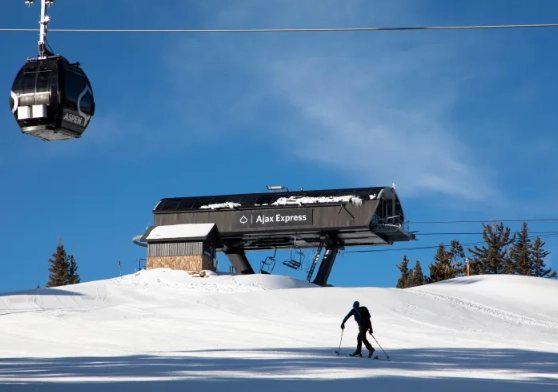
Phase 3: The Ride Up
You made it! Now, relax (a bit).
- Keep ski tips up. Letting them droop is a bad habit that can catch on obstacles below.
- Don't swing or bounce the chair. It's unsettling for others and puts stress on the cable.
- Use the footrest if there is one. It takes pressure off your boots and is surprisingly comfortable.
- This is a great time to plan. Watch the skiers below you. Which line looks good? Where's the ice patch?
Phase 4: The Unload
This is where another common set of mistakes happens. The goal is a smooth, gliding exit.
- Prepare Early: As you approach the top station, raise the footrest (if used) and then lift the safety bar. Announce "Bar going up!"
- Position: Scoot forward to the edge of the seat. Skis pointed straight forward, parallel, and slightly up. Look at the exit ramp, not at your feet.
- Stand and Glide: As your skis touch the snow on the ramp, stand up smoothly. Use your legs, not your arms. The chair will gently push you forward. Glide straight down the ramp. Do not try to turn or stop immediately on the ramp.
- Clear the Area: Once off the ramp and on flat ground, then you can skate or pole away to a safe spot to regroup. The area right at the unload is a congestion zone—get out of it quickly.
Chairlift Ski Safety: It's Not Just About You
Safety on a ski lift is a shared responsibility. It's about protecting yourself, your chairmates, and the people below.
Non-Negotiable Safety Rules
Some things just aren't up for debate.
- Always Lower the Bar: I don't care if it's a bluebird day. Lower it.
- No Horseplay: No shaking the chair, no throwing things, no hanging off the bar. It's dangerous and can cause the lift to stop, stranding hundreds of people in the cold.
- Secure Loose Items: Zip up pockets. Put your phone away. A phone dropped from a chairlift is a phone lost forever, and it becomes a dangerous projectile for skiers below.
- Listen to the Lift Attendants: They are there for your safety. If they tell you to move forward, do it.
What If the Lift Stops?
It happens occasionally, usually for a few minutes to allow someone to load/unload safely. Don't panic.
- Stay seated. Do not attempt to get off.
- Listen for announcements over the resort's loudspeakers.
- If it's cold, move your toes and fingers to keep circulation going.
- Only in a true, prolonged emergency would evacuation be necessary, and ski patrol would guide you through it. Follow their instructions exactly.
The National Ski Patrol trains extensively for these scenarios, so trust the professionals.
Skiing with Kids or Beginners
This adds a whole new layer. If they're small, load them between adults. Help them get their skis up on the footrest. Hold onto them if they're nervous. Explain everything you're doing. At the unload, be ready to help them up and guide them. Many resorts have specially slowed "beginner lifts"—use them for practice.
My least favorite part?
Watching parents let tiny kids ride a high-speed chairlift without the bar down. It gives me so much anxiety. The bar is there for everyone, especially little ones who might squirm.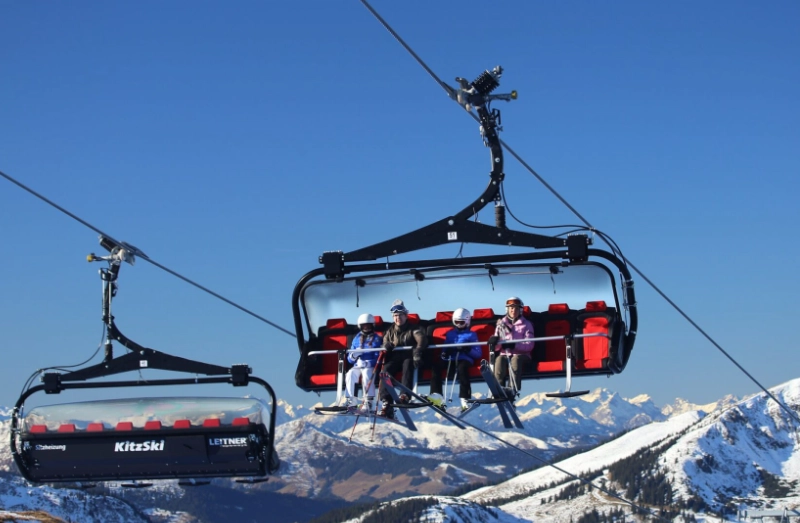
Beyond the Basics: Chairlift Navigation and Etiquette
This is the stuff that separates the novice from the savvy skier. It's about reading the mountain and being a good citizen on the slopes.
Reading the Trail Map Like a Pro
The trail map is your blueprint. Don't just look at runs; look at the lifts.
- Lift Lines Indicate Difficulty: Often, a double black diamond run is served by a specific chairlift. If you're not ready for that terrain, don't take that lift.
- Identify Connector Lifts: Some lifts just get you from one part of the resort to another. Knowing this saves you from taking a long, boring ride to terrain you don't want.
- Gauge Crowds: Look for the lifts at the edges of the map. They often have shorter lines and access to great snow.
The Unwritten Rules of Lift Line Etiquette
These aren't posted, but everyone expects you to know them.
- Fill All Chairs: If it's a busy day and you're a single or double, be prepared to ride with strangers. It keeps the line moving for everyone. Don't insist on your own chair.
- Don't "Poach" the Single Rider Line: If you're in the singles line, you ride with other singles. Don't try to merge back with your friend at the front.
- Be Ready at the Gate: When the attendant waves you forward, move with purpose. Fumbling with goggles or gloves while standing in the load area is a major line-slower.
- Apologize if You Cause a Stop: If you fall at the load or unload and the lift has to be halted, a simple "Sorry, everyone!" goes a long way.
Advanced Chairlift Ski Considerations
Once you're comfortable, a few other things come into play.
Skiing in Poor Visibility or High Winds
Loading in a whiteout or gale-force winds is next-level. Go slower. Communicate more with your chairmates. The lift might be slowed by the operators. Be extra careful with loose clothing that can flap. Sometimes, the upper mountain lifts will be on wind hold—always check the resort's website or app before heading up.
Terrain Park Access Lifts
Lifts serving terrain parks are a different vibe. You'll see people with wide skis or snowboards. Be extra vigilant when loading and unloading, as they might have different equipment. The Terrain Park Safety initiative stresses that smart choices start in the lift line—scope features from the chair, but save the stoke for when you're safely off.
The Solo Chairlift Ski Experience
Riding alone is peaceful. But still load in the designated singles line to be efficient. It's a great chance to check your phone (carefully!) for messages or take a photo if you're secure.
Your Chairlift Ski Questions, Answered
Wrapping It All Up
Look, the goal of any chairlift ski adventure is to get you safely up the mountain so you can enjoy the ride down. It's a means to an end, but mastering it removes a huge source of stress from your ski day.
Start simple. Practice on the gentlest lift you can find. Watch others who make it look easy. Ask a friend or even a friendly-looking stranger for a tip if you're struggling. The skiing community is generally pretty helpful.
Got a specific chairlift situation that worries you? Drop a comment below (on the hypothetical blog)—I've probably been through it and can offer some real-world advice.