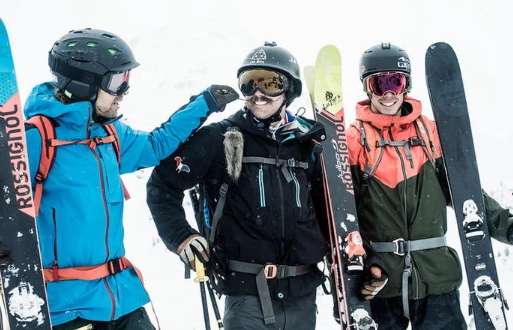
Let's be honest. The idea of your first ski holiday can be equal parts thrilling and terrifying. You've seen the pictures of perfect powder and cozy mountain lodges, but your mind is also filled with visions of tangled skis and embarrassing falls. Here's the thing: it doesn't have to be that way. A first-time ski trip, planned right, is one of the most rewarding holidays you can take. This guide strips away the anxiety and gives you the clear, actionable steps to go from complete novice to someone who can't wait to book their second trip.
Your Quick Route to a Great First Trip
- Shifting Your Mindset: It’s a Holiday, Not the Olympics
- How to Choose the Perfect Beginner Ski Resort?
- Your First Ski Holiday Packing List (Beyond the Obvious)
- A Sample 5-Day Beginner Ski Itinerary: Les Gets, France
- Breaking Down the Costs of Your First Ski Trip
- Frequently Asked Questions (From One Beginner to Another)
Shifting Your Mindset: It’s a Holiday, Not the Olympics
This is the most important piece of advice, and one most guides skip. Your goal is not to become an expert skier in a week. Your goal is to have fun, be safe, and learn enough to enjoy sliding on snow. I remember my first time—I was so focused on not falling that I forgot to look up at the stunning Alps around me. Don't make that mistake.
Book lessons. This is non-negotiable. A good instructor from a certified school like those affiliated with the International Ski Instructors Association (ISIA) will teach you how to stop and turn safely in a few hours. That's all you need to start having real fun on the beginner slopes (called green and blue runs). Trying to learn from a well-meaning friend is a fast track to frustration, fear, and sometimes injury.
How to Choose the Perfect Beginner Ski Resort?
Not all ski resorts are created equal for first-timers. Picking the wrong one can mean long, scary walks in heavy boots or a lack of suitable gentle slopes.
What Makes a Resort ‘Beginner-Friendly’?
Look for these features when researching:
Large, Separate Beginner Area: Often called a "nursery slope" or "beginner's garden." It should be wide, gentle, and ideally fenced off from faster skiers. A magic carpet (a conveyor belt lift) is a godsend compared to a tricky button lift.
Abundance of Green & Easy Blue Runs: A good beginner resort will have a high percentage of these easier pistes. Check the piste map online before you book.
Reputable Ski School: Look for schools with English-speaking instructors and small group sizes for beginners.
Compact, Pedestrian-Friendly Village: You'll be walking in bulky boots. A village where the lifts, shops, and hotels are close together is a luxury you'll appreciate.
Good Non-Skiing Activities: You won't ski all day, every day. Options like swimming pools, spas, scenic walks, or tobogganing are essential.
Top Pick for Your First Trip: Why Les Gets, France?
For a stress-free European debut, I consistently recommend Les Gets. It's part of the massive Portes du Soleil area, but it has a wonderfully self-contained, gentle beginner sector. Here’s the specific, actionable info:
| Feature | Details for Beginners |
|---|---|
| Location & Access | French Alps, part of Portes du Soleil. 1h 15m drive from Geneva Airport (GVA). Frequent transfers available. |
| Beginner Slopes | The "Chavannes" area is dedicated to beginners. Wide, sunny green runs served by multiple magic carpets. Over 50% of local runs are green/blue. |
| Ski School | ESF Les Gets (French National Ski School). Large beginner groups, English spoken. Book 2-3 months in advance for peak weeks. |
| Beginner-Friendly Accommodation | Hotel La Marmotte: Ski-in/ski-out to Chavannes area. Family-run, includes breakfast. ~€120-180/night. Chalet-Hotel La Piaz: Central, cozy, great for socializing. Includes dinner. ~€100-150/night. |
| Apres-Ski & Food | Village is compact and charming. Try La Paika for hearty Savoyard food (fondu, tartiflette). Le Tyrol for sunny terrace drinks. |
| Non-Ski Activity | Mechanical Music Museum, dog sledding, paragliding tandem flights, indoor climbing. |
Other excellent beginner-friendly resorts include Saas-Fee (Switzerland) for its guaranteed snow and car-free village, and Borovets (Bulgaria) for a more budget-friendly option with great beginner zones.
Your First Ski Holiday Packing List (Beyond the Obvious)
You know you need skis, boots, and a jacket. But these often-forgotten items make a massive difference in comfort.
Rent, Don't Buy (Almost Everything): Rent skis, boots, poles, and a helmet from a shop in the resort. They'll fit you properly for current conditions. I made the error of buying cheap boots online first—they ruined my trip.
The Base Layer is King: Avoid cotton. It gets wet and stays cold. Merino wool or synthetic thermal tops and leggings are essential. Pack two sets.
Hand and Foot Salvation Kit: Thin inner gloves to wear under your ski gloves. Multiple pairs of proper ski socks (again, no cotton).
Sun Protection is Non-Negotiable: High-altitude sun is fierce. SPF 50+ face cream, a high-quality lip balm with SPF, and sunglasses/goggles are mandatory.
The Après-Ski Uniform: Comfortable shoes, jeans, cozy sweaters. A swimsuit for the pool or spa.
Small Backpack: For carrying water, snacks, extra layer, and sunscreen on the mountain.
A Sample 5-Day Beginner Ski Itinerary: Les Gets, France
Here’s exactly how your days could unfold. This structure balances learning, practice, and holiday relaxation.
Day 1 – Arrival & Acclimatisation
Arrive Geneva, transfer to Les Gets (pre-book a shuttle with Alps2Alps or similar). Check into your hotel. Walk around the village, rent your gear (boots last so you can walk in normal shoes), and breathe the mountain air. Early dinner and early night.
Day 2 – First Day on Snow
Morning: 3-hour group beginner lesson (e.g., 9:30 AM - 12:30 PM with ESF). Focus: putting on skis, sliding, snowplough stop.
Afternoon: Practice on the magic carpet area on your own. Have a hot chocolate on the slope-side terrace. Finish by 3:30 PM—you'll be tired.
Evening: Soak in the hotel hot tub or pool.
Day 3 – Building Confidence
Morning: Second 3-hour lesson. Likely introducing gentle turns and using a chairlift.
Afternoon: Take the Chavannes chairlift up with your pass and practice on the long, easy green run back down. Repeat until comfortable.
Evening: Try a local restaurant for fondue.
Day 4 – Exploration or Alternative Day
Option A (If feeling confident): Use your full area pass to explore the easy blue runs connecting Les Gets to Morzine. Take it slow.
Option B (Needing a break): Return skis by 10 AM. Take the scenic gondola up for lunch with a view, visit the music museum, go tobogganing.
Evening: Stroll and shop.
Day 5 – Final Morning & Departure
One last 2-hour ski session on your favourite green run. Return rental gear by 11 AM. Lunch, then afternoon transfer back to Geneva.
Breaking Down the Costs of Your First Ski Trip
Let's talk numbers. A ski holiday isn't inherently cheap, but knowing where the money goes helps you budget and find savings.
| Cost Category | Estimated Cost per Person (Les Gets, Mid-Season) | Money-Saving Tip |
|---|---|---|
| Accommodation (5 nights) | €500 - €900 | Look for half-board (breakfast & dinner included) to fix food costs. Self-catered apartments are cheaper for groups. |
| Ski Pass & Lessons | €300 - €450 | Buy a local area pass (Les Gets only) not the full Portes du Soleil pass. Book beginner lesson packages (5 mornings) for best value. |
| Ski/Boot/Helmet Rental | €120 - €180 (for 6 days) | Book online in advance for discounts up to 20%. Don't rent clothing unless absolutely necessary. |
| Food & Drink (Lunches/Dinners out) | €350 - €500 | Pack snacks and a water bottle for the slopes. Have picnic lunches. Choose accommodation with meals included. |
| Transfers (Geneva to Resort) | €80 - €120 (return shared shuttle) | Book early. Sharing with others from your flight on forums can reduce costs. |
| Extras (Activities, Souvenirs) | €100 - €200 | Set a budget for one special activity like dog sledding. |
| TOTAL ESTIMATE | €1,450 - €2,350 | Traveling in January (non-school holidays) or early April can slash accommodation costs. |
Frequently Asked Questions (From One Beginner to Another)
I'm not sporty at all. Can I still enjoy a ski holiday?
Absolutely yes. Skiing is a skill, not just an athletic test. A good instructor breaks it down into tiny, manageable steps. The first goal is simply to move and stop safely on flat, gentle terrain. Many people who dislike team sports love skiing because it's personal, set in beautiful nature, and you progress at your own pace. The key is managing expectations—celebrate small victories like your first controlled slide or successful chairlift ride.
Should I book group lessons or a private instructor?
For a first-timer, I strongly recommend group lessons. They're more affordable, and there's a psychological benefit to learning with others at the same level. You see everyone else struggling with the same things, which reduces anxiety. Private lessons are fantastic for rapid progress or addressing specific fears, but they're expensive. Start with a 3-5 morning group course, then consider a private lesson later in the week if you want to focus on a particular technique.
Is it cheaper to book everything separately or as a package?
For beginners, a package from a reputable tour operator (like Crystal Ski, Inghams, or Skiworld in the UK) is often the least stressful and can be cost-comparable. They bundle flights, transfers, accommodation, and often a rep on the ground to help with ski school booking. It removes a huge amount of logistical worry. If you're confident and flexible, self-booking can save money, especially if you find last-minute accommodation deals or are traveling as a larger group. For your very first trip, the package route is a safer bet.
I'm really nervous about lifts and falling. Any specific advice?
This is the most common fear. For lifts, the magic carpet is your friend. For button lifts and chairlifts, watch a YouTube tutorial before you go (search "first time ski lift"). In your lesson, your instructor will practice with you on a stationary chair. The key is to commit—hesitation causes falls. As for falling, it's part of learning. Everyone does it. Learn how to fall safely (to the side, not forwards, with limbs relaxed) and how to get up (bring skis across the slope below you, use your poles for leverage). After a few falls, you realize it doesn't hurt much, and the fear diminishes.
The mountain is waiting, and it's far more accessible than you think. By focusing on the right resort, investing in good instruction, and packing your patience along with your thermals, you're setting yourself up for a holiday that's less about surviving and all about thriving. Your first turns on snow, the feeling of gliding down a gentle slope as the sun shines—that's a memory you'll keep forever. Now go start planning.