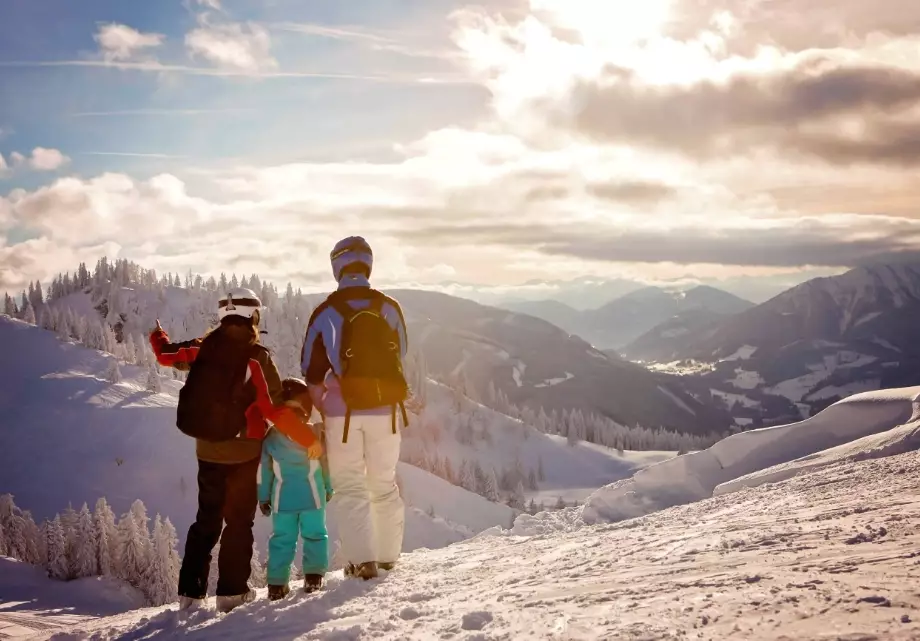
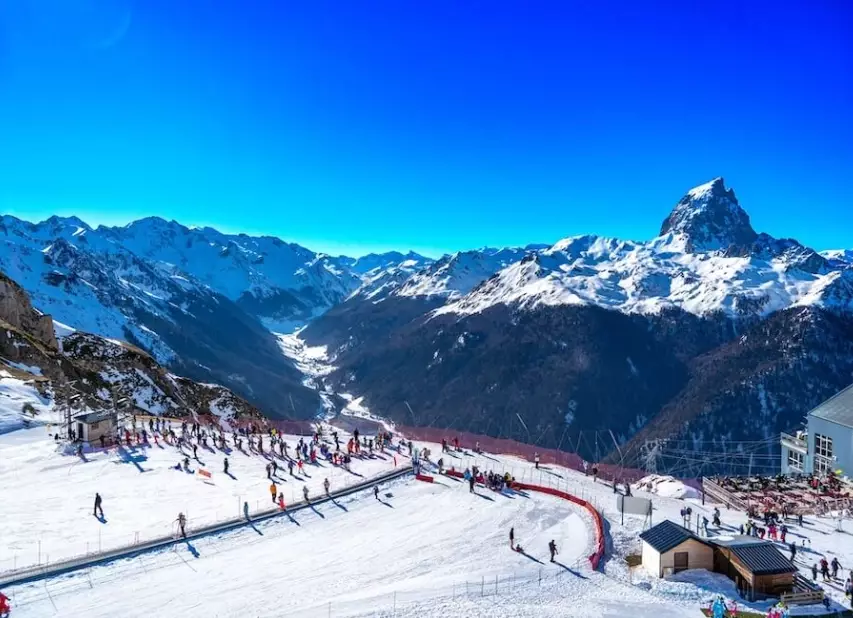
Let's be honest. We all secretly judge a ski resort by more than just its vertical drop or snow quality. The view from the chairlift, the panorama at the summit, the way the evening light hits the peaks—these moments stick with you long after your legs stop aching. Finding a ski resort that delivers epic scenery alongside great skiing isn't just a bonus; for many of us, it's the whole point. I've spent over a decade chasing these views, from dawn patrols in the Rockies to late lunches overlooking glacial lakes in the Alps. The mistake most lists make? They confuse "biggest" or "most famous" with "most scenic." A truly scenic resort engages all your senses and makes you pause mid-run, not just check another black diamond off your list.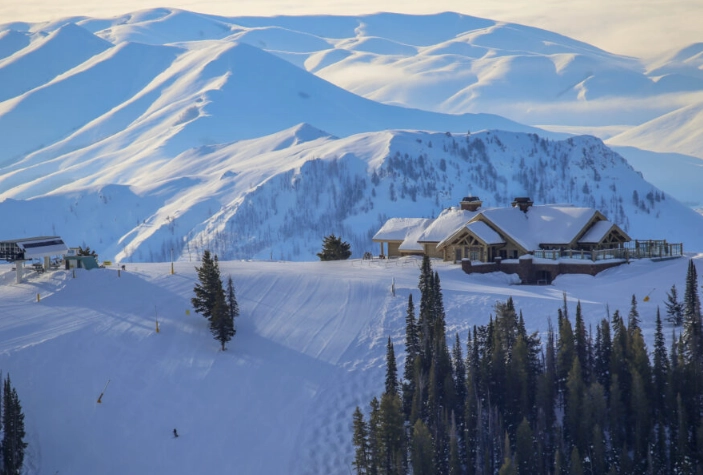
Your Scenic Skiing Roadmap
What Makes a Ski Resort Truly Scenic?
It's not just about having mountains nearby. The magic happens when specific elements combine. First, elevation and exposure are key. A resort that climbs above the tree line offers unobstructed, 360-degree vistas. Think Zermatt, where you ski facing the iconic Matterhorn. Second, unique geography plays a huge role. Resorts nestled in glacial valleys, perched on coastal ranges, or surrounded by dramatic rock spires have a built-in advantage. The contrast of deep blue lakes against white snow, like at Lake Louise, is unforgettable.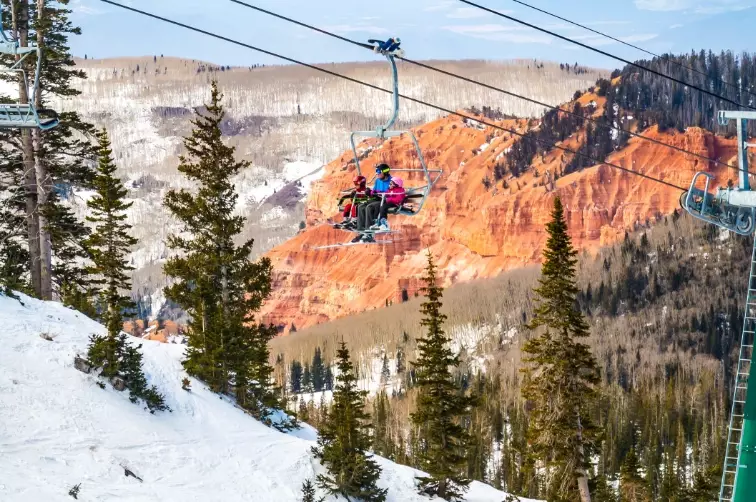
Third, and this is often overlooked, is the resort's layout and design. A scenic resort has lifts and runs that feel like they were carved to showcase the landscape, not just to move people uphill as fast as possible. Wide, rolling cruisers that let you soak in the view are as important as steep chutes. Finally, the lack of visual pollution matters. Overdevelopment, unsightly lift towers, or sprawling parking lots can ruin the illusion. Places that limit car traffic or preserve historic village charm, like St. Anton, add a layer of aesthetic appeal you can't quantify on a trail map.
Top 5 Most Scenic Ski Resorts in the World
Based on years of personal trips and countless conversations with mountain guides, these five places deliver scenery that will genuinely take your breath away. I've prioritized a mix of classic icons and slightly less obvious gems where the views feel more personal.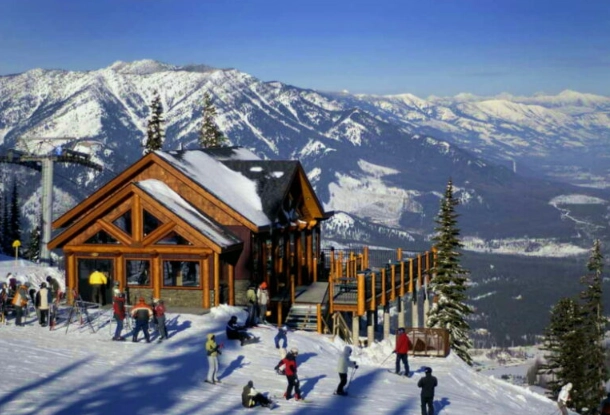
1. Zermatt, Switzerland
The View: The omnipresent, jagged pyramid of the Matterhorn dominates the skyline from nearly every run. You're also surrounded by 38 other 4,000-meter peaks. The scale is humbling.
Location & Altitude: Canton of Valais, Switzerland. Skiing up to 3,883m (12,740ft).
Who It's For: Intermediates who love long, scenic cruisers and experts tackling off-piste itineraries. Also perfect for non-skiers who just want to ride the gondolas.
Pro Tip: For the best photo of the Matterhorn reflecting in the Riffelsee lake, you need to hike about 15 minutes from the top of the Gornergrat railway in summer. In winter, the lake is frozen, but the view from the Gornergrat viewing platform at 3,135m is still unbeatable. Book a table at Chez Vrony on the Sunnegga side for lunch with a front-row seat.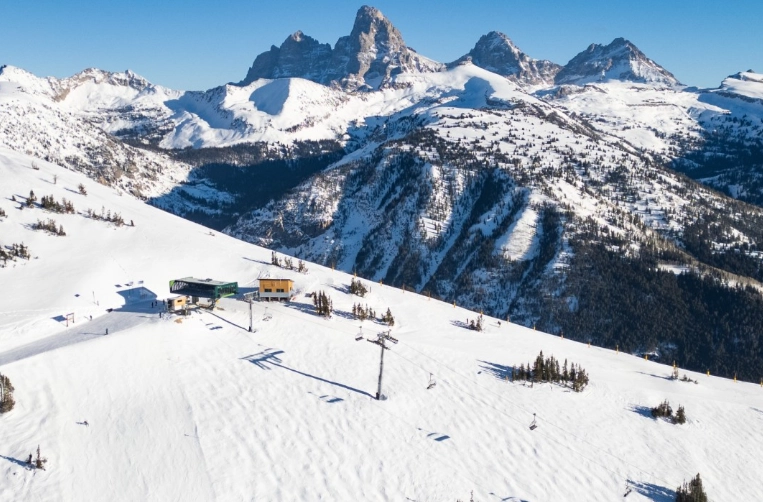
2. Banff Sunshine & Lake Louise, Alberta, Canada
The View: The Canadian Rockies are sheer, dramatic, and raw. At Lake Louise, you ski directly towards the frozen, turquoise lake and the Victoria Glacier. At Sunshine Village, you're skiing on the Continental Divide with endless peaks in every direction.
Location & Altitude: Banff National Park, Alberta. Lake Louise base: 1,646m (5,400ft); Sunshine base: 1,660m (5,440ft).
Who It's For: All ability levels. The scenery is accessible from green circles to double black diamonds. Wildlife sightings (elk, deer) are common.
Pro Tip: The light is most dramatic early in the morning and late afternoon. Take the first gondola up to Lake Louise's Summit Platter to watch the sun hit the glacier. Stay in the town of Banff for easy access to both resorts and the stunning Banff National Park scenery reported by Parks Canada.
3. Cortina d'Ampezzo, Italy
The View: The towering pale dolomite rock faces of the Italian Alps glow pink at sunset, a phenomenon known as "Enrosadira." The landscape is more jagged and artistic than the typical snow-dome peaks.
Location & Altitude: Veneto region, Italy. Town at 1,224m (4,016ft), skiing up to 2,930m (9,610ft).
Who It's For: Stylish intermediates, food lovers, and those who want a dose of Italian "la dolce vita" with their skiing. The runs are generally less extreme than in the Western Alps.
Pro Tip: Don't just ski the Tofana area. Take a day to ski the Faloria and Cristallo sectors for different, equally stunning angles of the Dolomites. The view from the top of the Lagazuoi cable car is one of the best in the Alps, accessible with a Dolomiti Superski pass.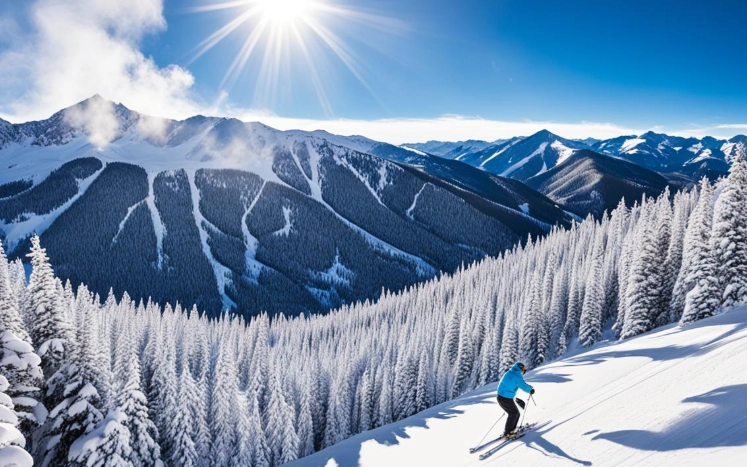
4. Niseko, Japan
The View: The perfectly conical, often snow-capped volcano of Mt. Yotei, known as "Ezo Fuji," dominates the southern horizon. On clear days, you can see the Sea of Japan.
Location & Altitude: Hokkaido, Japan. Base around 250m (820ft), summit at 1,200m (3,900ft).
Who It's For: Powder hounds and those seeking a unique cultural experience. The scenery is serene and majestic, especially when heavy snow coats every tree.
Pro Tip: The best view of Mt. Yotei isn't from the busy Grand Hirafu area. For a quieter, more direct view, head to the Niseko Annupuri side. Book a night at one of the higher-end hotels with an onsen (hot spring) that faces the mountain—watching snow fall on Yotei from a steaming bath is surreal.
5. Telluride, Colorado, USA
The View: A box canyon surrounded by 13,000 and 14,000-foot peaks. The town itself is a historic, picture-perfect mining village, making the transition from slope to street uniquely beautiful.
Location & Altitude: Colorado, USA. Town at 2,667m (8,750ft), skiing up to 3,965m (13,015ft).
Who It's For: Advanced intermediates and experts who appreciate challenging terrain and a remote, authentic feel. The journey there adds to the adventure.
Pro Tip: The free gondola that connects Telluride town with Mountain Village isn't just transport; it's a 13-minute scenic tour. Ride it at dusk. For the most iconic photo, hike up (or take the See Forever run) to the top of Lift 9 for a view down the entire canyon. The light is best in the afternoon.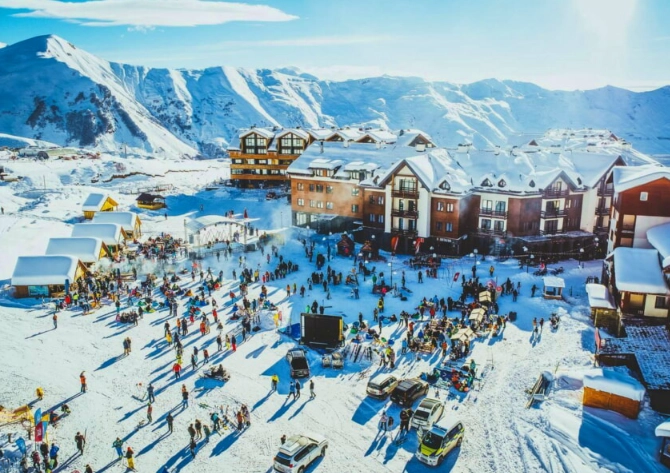
How to Plan Your Scenic Ski Trip: Practical Tips
Getting the view isn't just about picking the right place. It's about timing, positioning, and a little preparation.
Timing is Everything
For the clearest, most expansive views, prioritize stable, high-pressure weather windows. This often means colder temperatures, but the visibility is worth it. In the Alps, January and February often offer these crisp, clear days. In coastal ranges like the Pacific Northwest or Japan, you might have to wait for a break between storm cycles. Spring skiing (March-April) offers longer days and sunnier weather, but the snow at lower elevations can get slushy.
Maximizing Your Viewing (and Photo Ops)
- Ride the Sightseeing Lifts: Most scenic resorts have a specific gondola or tram marketed for sightseeing (e.g., Gornergrat in Zermatt, Sulphur Mountain Gondola in Banff). These are worth the extra ticket. They go to viewpoints you can't ski to.
- Pack Light for the Summit: When you plan to hike to a viewpoint from a lift, don't wear your full ski backpack. Carry a small sling with just your phone/camera, water, and an extra layer. You'll move easier.
- Photo Tip from a Pro: Use the panoramic mode on your phone sparingly. It often distorts mountain shapes. Instead, use the main camera and step back to include more foreground (like a ski tip or a pine tree) to create depth. The golden hour before sunset casts long shadows and adds incredible texture to the mountains.
Avoiding the Crowds for the Best Experience
Nothing ruins a scenic moment like a crowd. My strategy is simple: go high, go early, or go opposite. At lunchtime, when everyone descends to base lodges, ride a lift to a summit restaurant. First thing in the morning, head to the most famous viewpoint before the crowds arrive. Or, ski the side of the mountain that faces away from the main attraction—you'll often find equally stunning, quieter perspectives.