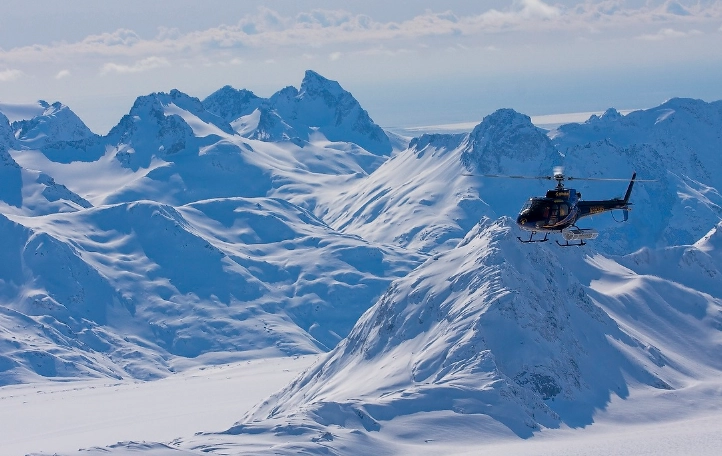
Let's cut to the chase. If you're reading this, you're past the "maybe someday" phase and are seriously considering a heli skiing trip. That means you're ready to trade lift lines for the thumping rhythm of a helicopter rotor, and groomed runs for endless, untouched powder fields. This isn't just another ski vacation; it's the pinnacle of the skiing experience. But where do you go? How much does it really cost? And are you even ready for it? I've been guiding and skiing these terrains for over a decade, and I'm here to give you the straight talk, not the brochure copy.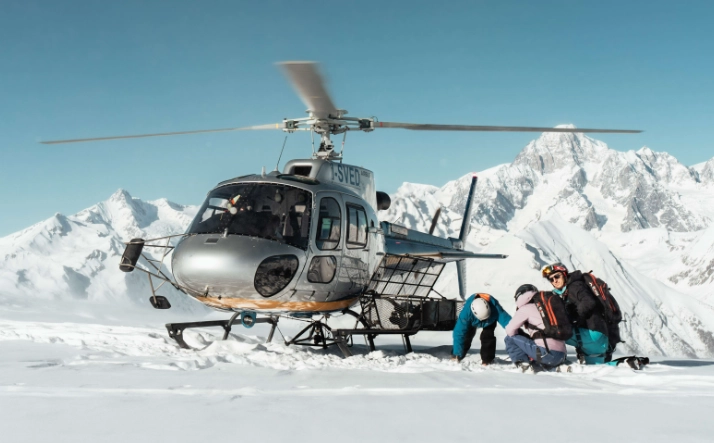
Your Quick Jump to Powder
What Exactly is Heli Skiing?
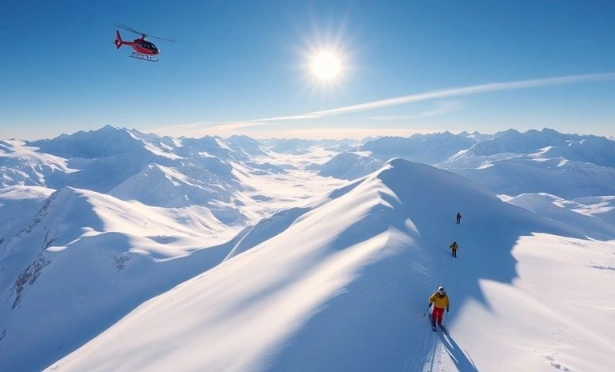
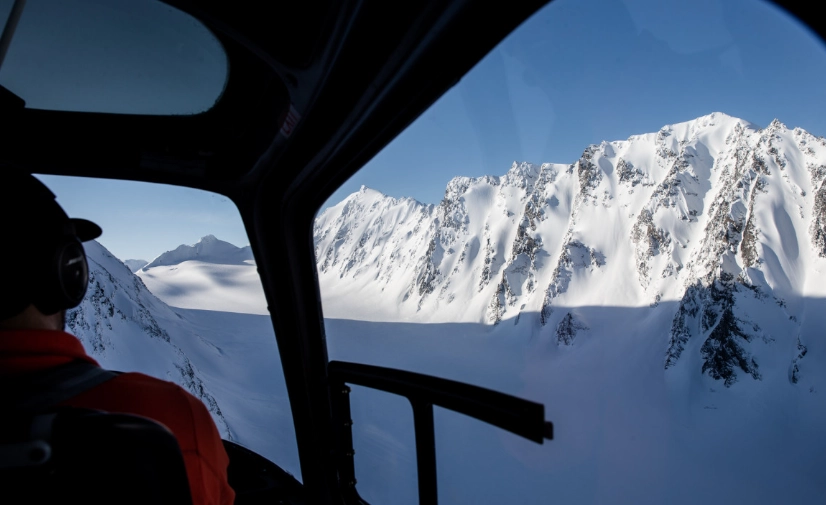
You know the concept: a helicopter drops you and a small group on a remote mountain peak, you ski down pristine snow, and it picks you up at the bottom. Rinse, repeat. But the magic—and the challenge—is in the details. You're not just skiing off-piste; you're accessing terrain that is otherwise impossible to reach. This means variable snow conditions, complex avalanche terrain managed by highly trained guides, and a level of physical demand that surprises many first-timers.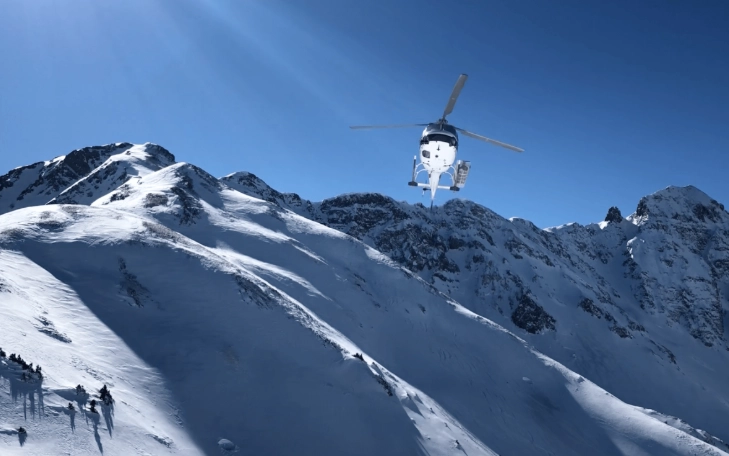
The biggest misconception? That it's only for experts chasing extreme lines. While that's a part of it, many operators now cater to strong intermediates who can confidently link turns in ungroomed snow. The guide's job is to match the terrain to the group's ability. But here's the non-consensus bit I see all the time: people obsess over their technical skiing level but neglect their fitness. Being able to ski a black diamond run is one thing; doing it 10-15 times in a day, in deep snow, at altitude, while carrying a backpack with safety gear, is another. Your legs will scream by lunch if you're not prepared.
Top Heli Skiing Destinations for Every Skier
Picking a destination isn't just about finding the deepest snow (though that's a big part). It's about matching the terrain, the guiding culture, the snowpack stability, and the overall vibe to what you want. Based on guiding and personal trips, here's how I break down the top spots.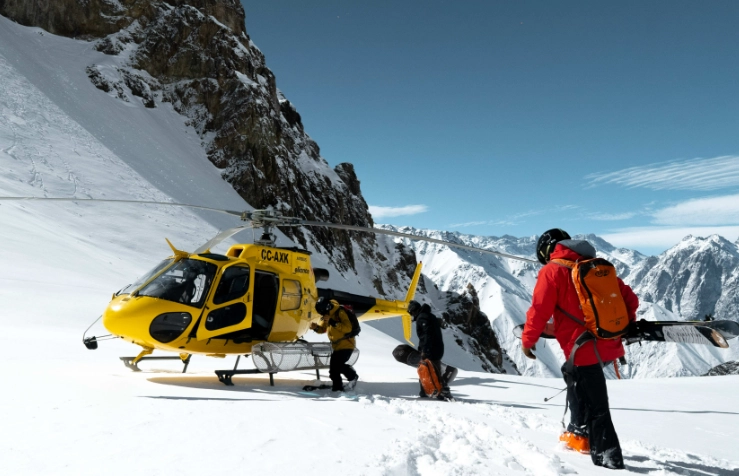
Pro Tip: The Snowpack Factor
Don't just look at annual snowfall. Look at the snowpack structure. Coastal ranges (like BC and Alaska) often have a more stable, "maritime" snowpack. Interior continental ranges can develop persistent weak layers that make avalanche forecasting more complex. A good operator in any region manages this expertly, but it influences the guiding style and terrain access.
The Classics: British Columbia, Canada
This is the spiritual home of commercial heli skiing. The combination of reliable, deep powder (that famous "Champagne Powder"), vast tenure areas, and decades of guiding expertise is unmatched.
- CMH Heli-Skiing: The giant. Multiple lodges across BC. They offer everything from luxury all-inclusive weeks to shorter trips. Terrain for all abilities. It's a well-oiled machine, which some love for the reliability, others find a bit corporate. Prices for a classic 7-day lodge trip start around $12,000 CAD per person, all-inclusive.
- Mike Wiegele Helicopter Skiing (Blue River, BC): Legendary for deep powder and big terrain. Wiegele pioneered a lot of the safety and guiding techniques used globally. It's a family-run operation with an intense focus on the skiing experience. Expect a more intimate, hardcore skiing atmosphere. Similar premium price point to CMH.
- Last Frontier Heliskiing (Northern BC): For the seeker of true wilderness. Based in Bell 2 Lodge, they access mind-bogglingly huge terrain. This is for strong skiers who want big vertical and long, committing runs. The remoteness adds to the adventure.
The Extreme: Alaska, USA
If steep, big-mountain lines are your dream, Alaska is the canvas. The season is later (March-May), focusing on spring stability and corn snow as much as powder.
- Points North Heli-Adventures (Cordova): Access to the iconic Chugach Mountains. This is the footage you see in ski movies. Terrain is generally steeper and more alpine than the tree-skiing paradise of BC. It attracts a very advanced crowd. A 6-day package can run $13,000+ USD.
- Valdez Heli-Ski Guides: Another Chugach powerhouse. Known for a guiding team that includes legendary alpinists and a focus on tailoring the day to small groups. They also offer shorter, 3-4 day "tasters" which are a great way to experience AK without the full week commitment and cost.
The Southern Hemisphere Option: New Zealand
For a fix during the Northern summer (June-October). The terrain in the Southern Alps is dramatic and rugged. The snow is more variable than the Pacific Northwest—it can be heavy powder or perfect corn. It's an incredible adventure, but manage your expectations: it's not the bottomless blower powder of BC every day.
- Southern Lakes Heliski (Queenstown/Wanaka): The main player, offering access across several ranges. Great for combining with a NZ vacation. A 4-run day package starts around $1,500 NZD, making it more accessible for a single-day experience.
| Destination | Prime Season | Terrain Vibe | Best For | Starting Price (approx.) |
|---|---|---|---|---|
| British Columbia, CA | Dec - April | Tree-skiing, alpine bowls, reliable powder | All levels, powder purists, luxury seekers | $1,200/day (day trips) to $12,000+/week |
| Alaska, USA | March - May | Steep, big-mountain, glacier runs | Expert/advanced skiers, line hunters | $1,500+/day, $13,000+/week |
| New Zealand | June - Oct | Alpine, rugged, variable snow | Summer skiing, adventure combos | $1,000+/day (shorter packages common) |
The Real Cost of a Heli Skiing Trip
Let's talk numbers, because sticker shock is real. A week-long lodge-based trip can easily hit $15,000 USD per person. But why?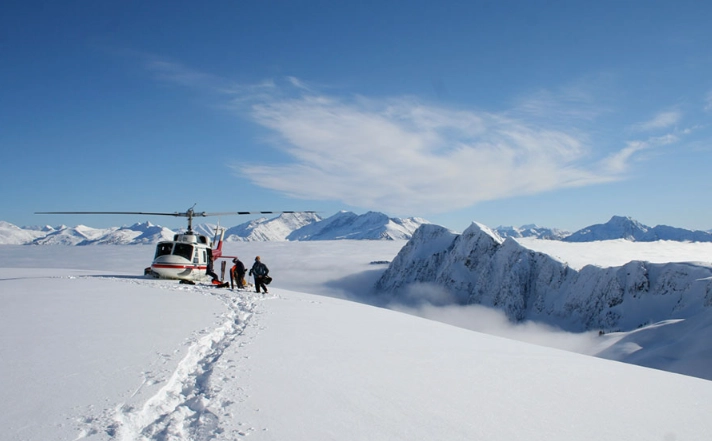
First, the obvious: helicopter time is insanely expensive. Fuel, maintenance, pilots—it adds up fast. Then you have world-class avalanche forecasters and guides, luxury lodging in remote areas, and gourmet food. You're paying for a hyper-specialized, safety-intensive experience.
Here's the breakdown most blogs miss:
- Package Price: Covers lodging, meals, guides, heli time.
- Not Included (The Hidden Costs):
- Guide & Staff Gratuity: This is significant. Budget 10-15% of your package cost. For a $12k week, that's $1,200-$1,800.
- Helicopter Surcharge (Fuel): Some operators add a variable fuel surcharge.
- Travel: Flights to often-remote hubs (like Calgary to Kamloops, then a charter).
- Equipment Rental: If you don't have powder-specific skis, avalanche safety pack (beacon, probe, shovel). Rentals can be $50-$100/day.
- Travel Insurance: This is non-negotiable. You need a policy that covers helicopter evacuation and high-risk activities. It can cost $200-$500 for a week.
How to save? Look for early/late season deals, shorter 3-4 day packages, or day heli-skiing operations out of towns like Revelstoke or Golden, BC, where you can pay per vertical foot or per run.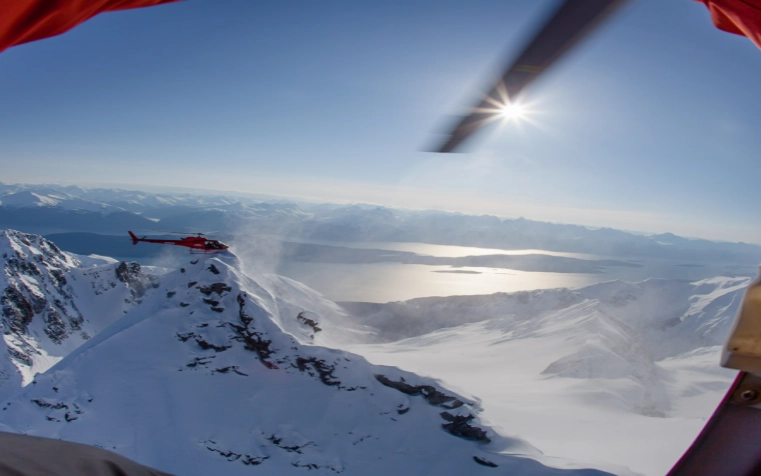
Heli Skiing vs. Cat Skiing: Which is Right For You?
This is a constant debate. Cat skiing uses a tracked snowcat to access terrain. Here's the real comparison from someone who's done a lot of both.
Heli Skiing Pros: Faster access, meaning more vertical in a day. Access to more diverse, alpine terrain above treeline. The sheer thrill and views.
Heli Skiing Cons: Much more expensive. More weather-dependent (high winds or whiteouts ground flights). Can feel less "connected" as you're zooming between zones.
Cat Skiing Pros: Significantly cheaper (often 30-50% less). More reliable in poor weather (cats keep rolling in snowstorms). Warmer, social ride back up. Often fantastic tree-skiing, which can hold better powder in windy conditions.
Cat Skiing Cons: Slower ascent. Generally limited to terrain the cat can climb, so less above-treeline. The ride can be bumpy.
My take? If your budget allows and you dream of alpine vistas and maximum vertical, go heli. If you're powder-focused on a budget, or want a more weather-resilient trip, cat skiing is an incredible experience that delivers 90% of the powder thrill. Don't view it as a "lesser than" option.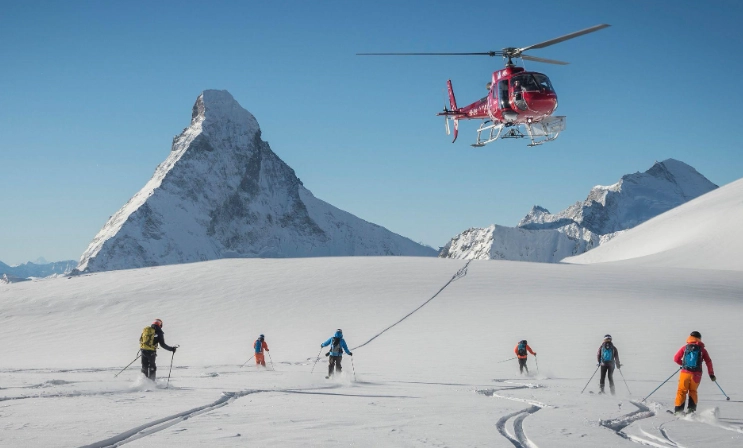
Planning Your Heli Skiing Adventure
You've picked a zone. Now what?
- Book Early: Prime weeks at top lodges sell out a year in advance. Seriously.
- Get Fit, Specifically: Don't just run. Do leg blasters (lunges, squats), hike with weight, and build cardiovascular endurance. Your enjoyment depends on it.
- Gear Check: Talk to your operator. You likely need:
- Powder skis (115mm+ underfoot). Rent if unsure.
- A quality avalanche transceiver, probe, and shovel (often provided, but know how to use them).
- Comfortable, well-ventilated ski clothing. You'll be in a heated helicopter, then skiing. - Mindset: Be flexible. Weather days happen. Use them for sauna time, reading, or a guided snowshoe. It's part of the backcountry rhythm.
Your Burning Heli Skiing Questions Answered
The bottom line? A heli skiing trip is a major investment of money, time, and physical effort. But for those who crave ultimate freedom in the mountains, it delivers an experience that resort skiing simply cannot touch. Do your research, get fit, and book it. That sound of the helicopter coming to pick you up after your first untouched run is a memory that never fades.