Quick Navigation
- Is My 3-Year-Old Actually Ready? The Readiness Checklist
- Gearing Up: The Right Stuff Makes All the Difference
- How to Actually Teach Them: Forget Lessons, Think Games
- Ski School vs. DIY: Which Path is Right for You?
- Realistic Expectations & The Magic Carpet Mindset
- Answering Your Burning Questions (FAQs)
- The Bottom Line: It's About the Experience, Not the Achievement
You're staring at those tiny ski boots, wondering if this is pure genius or absolute madness. I've been there. The picture in your head is magical – your little one, all bundled up, gliding down a gentle slope with a huge grin. The reality, as many parents find out, can involve a lot more sitting in the snow and crying (and not just from the kid). So, let's cut through the Instagram-perfect fantasy and talk real talk. Can a 3 year old learn to ski? The short, honest answer is: it depends entirely on what you mean by "learn."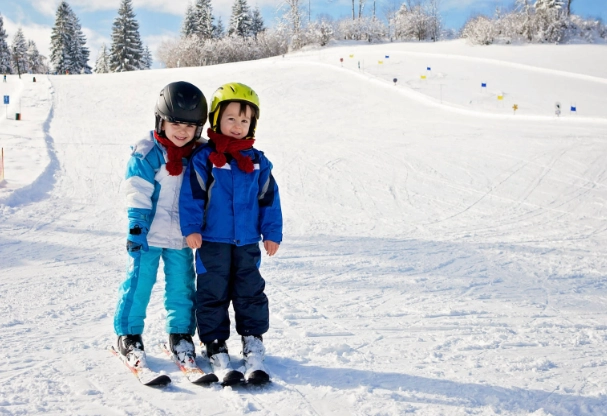
If you're dreaming of parallel turns and black diamonds, pump the brakes. But if your goal is to introduce them to the snow, let them experience the glide, and plant the seed for a lifelong love of winter sports, then absolutely, a three-year-old can start that journey. It's less about formal instruction and more about guided play. The real question isn't just can they, but should you try, and how do you set everyone up for success (and minimal tears)?
The Core Truth: For a 3-year-old, "learning to ski" means learning to enjoy being on skis. Success is measured in smiles, not meters skied. The goal is a positive association, not technical proficiency.
Is My 3-Year-Old Actually Ready? The Readiness Checklist
Age is just a number. I've seen super coordinated 2.5-year-olds take to it, and hesitant 4-year-olds who wanted nothing to do with it. The magic number 3 is a rough guideline, but readiness boils down to a few key areas.
Physical Readiness: More Than Just Size
Can they run with reasonable coordination? Can they jump with both feet? Do they have the core and leg strength to stay upright in bulky clothing? Skiing, even the toddler version, demands balance and some lower body strength. If they're still wobbly on the playground, they'll be a noodle on skis.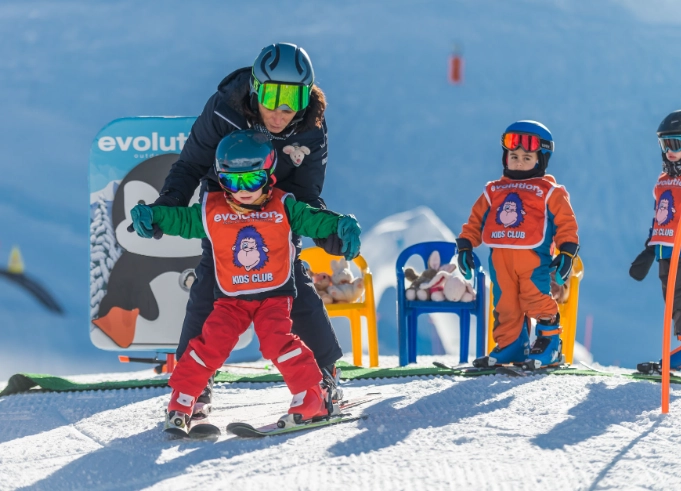
Also, consider their stamina. A full-day lesson is a recipe for disaster. We're talking 30 to 45 minutes of actual ski time, max. Their little bodies get cold and tired fast.
Mental & Emotional Readiness: The Biggest Hurdle
This is the make-or-break factor. Is your child generally adventurous or more cautious? Can they follow simple, two-step instructions from someone other than you? ("Hold my pole and shuffle your feet like a penguin.") Most importantly, how do they handle frustration?
Skiing involves falling. A lot. A kid who melts down at the first stumble might not be ready. You need a toddler with a dash of resilience and a willingness to try, or at least one who can be comforted and coaxed back up.
Separation anxiety is huge. If they scream when you leave them at a familiar daycare, dropping them at a ski school with a stranger in a helmet and goggles might be traumatic. Many resorts offer "parent-and-me" style sessions for this exact reason.
Gearing Up: The Right Stuff Makes All the Difference
Bad gear can ruin the experience before it even starts. Ill-fitting boots are torture. Heavy, long skis are impossible to maneuver. Here’s the lowdown on kitting out your tiny skier.
| Gear Item | What to Look For & Why It Matters | Parent Pitfall to Avoid |
|---|---|---|
| Ski Boots | Comfort is king. They should be snug but not pinching. Buckles should be easy for an adult to operate. A flexible, walkable sole is better than a super-stiff racing boot. Rent from a reputable shop that knows how to fit kids. | Buying boots they'll "grow into." One season of pain can turn them off skiing for good. Rent or buy used for this fast-growing stage. |
| Skis | Short is good. They should come up to the child's chest or chin, not to their forehead. Look for junior-specific skis that are lightweight and soft-flexing. Many have sidecut designs that make turning easier almost automatically. | Using hand-me-down skis that are way too long. This makes them impossible to control and increases the risk of injury. |
| Bindings | Must be professionally adjusted to the child's weight, height, and boot sole length (BSL). This is a critical safety feature. Don't mess with it yourself. | Ignoring DIN settings. Bindings that don't release properly can lead to leg injuries. A shop will set them correctly. |
| Helmet | Non-negotiable. Must be a ski/snowboard-specific helmet (not a bike helmet). Fit is crucial – it should sit level on the head, snug but not causing pressure points. Goggle compatibility is a plus. | Getting a helmet that's too big "so it lasts." A helmet that shifts on impact won't protect properly. |
| Clothing | Think layers. A moisture-wicking base layer, an insulating mid-layer (fleece), and a waterproof/windproof shell (bib pants and jacket). Don't forget neck gaiters, waterproof mittens (not gloves), and good socks (one thin pair). | Overdressing. Kids heat up when they're active. Sweating leads to getting cold faster. It's easier to add a layer than deal with a sweaty, miserable kid. |
For safety standards on children's sports equipment, organizations like the U.S. Consumer Product Safety Commission (CPSC) provide guidelines, and looking for gear that meets ASTM International standards (like F2040 for ski helmets) is a smart move.
Safety First: Never, ever use ski leashes (harness-type reins) on a slope. They can create dangerous situations where the child becomes a pendulum if they fall. The only safe place for a leash is on a completely flat, wide-open beginner area where you are walking alongside, not above, them. Even then, many instructors hate them. Your best tools are your hands holding them under their armpits from behind.
How to Actually Teach Them: Forget Lessons, Think Games
Formal drills are out. Play is in. Your job is to be the fun director, not the drill sergeant. Here’s how a successful session might look.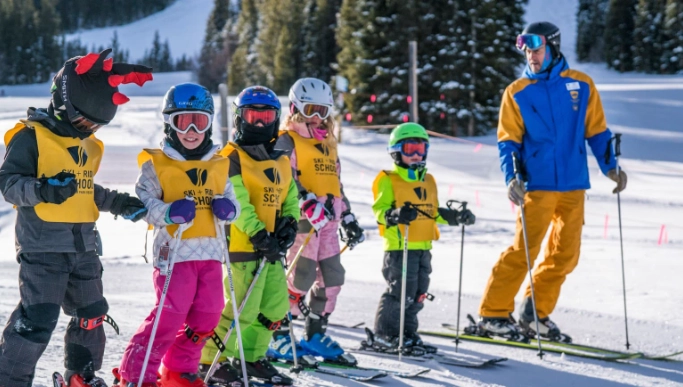
Pro Tip from Instructors: The American Professional Ski Instructors Association (PSIA-AASI) emphasizes a "child-centered" approach for this age group. It's all about exploration and fun, not technical correction.
Start on flat ground. Just let them walk around in their skis and boots. Get them used to the clunky feeling. Play "Simon Says" – "Simon says tap your ski tips together! Simon says shuffle forward like a robot!"
Find the gentlest, shortest slope imaginable. I'm talking about a slope so mild you wonder if it's even a slope. A magic carpet area is perfect. The goal here is simply to experience the glide. You can hold them from behind, with your hands under their armpits, and just walk/slide down together.
Introduce the "pizza" (snowplow) as a way to stop, not a way to turn. Make it a game. "Let's make a big pizza slice with our skis to stop the car!" Use visual cues. Place a brightly colored glove a few feet away and say, "Let's glide to the glove and make pizza before we touch it!"
Celebrate every tiny victory like they just won an Olympic medal.
Falling is part of the game. Teach them how to get up. It's often easier for them to take their skis off, stand up, and then put them back on on flat ground. Make a silly song out of it. The moment it stops being fun, you stop. Full stop. Hot chocolate time is a powerful motivator and a perfect way to end on a high note.
Ski School vs. DIY: Which Path is Right for You?
This is a big decision. There are pros and cons to each, and it largely depends on your own skiing ability, patience, and budget.
The Case for Professional Ski School
A good instructor is worth their weight in gold. They have endless patience, a bag of tricks (and games) you haven't thought of, and the authority of a non-parent. Kids often listen better to a friendly instructor in a uniform than to mom or dad, who they're used to testing boundaries with.
Reputable ski schools, like those at major resorts accredited by National Ski Patrol-affiliated mountains, have specialized terrain – tiny hills, obstacle courses, and carpet lifts designed for tots. They also handle the logistics of getting gear on and off, which is half the battle.
But it's expensive. And you have to vet the school. Ask about student-to-instructor ratios for the 3-year-old group (it should be very low, like 3:1 or less). Ask about their philosophy. Do they force kids who are crying? (Red flag.) Do they have a warm, indoor space for breaks?
The DIY (Parent-Led) Approach
This can be more affordable and builds a special bond. You control the pace, the timing, and the vibe. If they want to spend 30 minutes making snow angels instead of skiing, you can do that without feeling like you're wasting money.
The downside? It tests your patience like nothing else. You're not on a vacation; you're on a parenting mission in a cold, expensive environment. Your own skiing will take a backseat. You need to be confident enough on your own skis to safely assist them on beginner terrain, which often means skiing in a awkward, hunched-over position.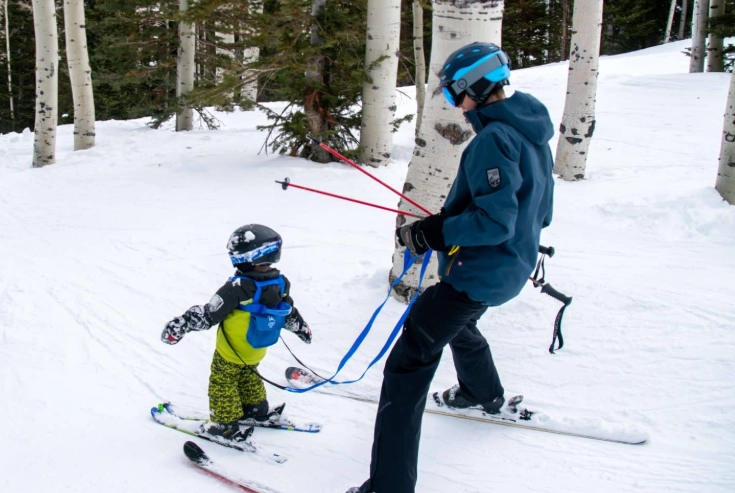
Realistic Expectations & The Magic Carpet Mindset
Let's get brutally honest about what a "successful" first season looks like for a 3-year-old.
- Goal 1: They put on the gear without a major meltdown.
- Goal 2: They can stand and walk a few steps on flat snow in their skis.
- Goal 3: They experience the sensation of sliding down a tiny incline (with help) a few times.
- Goal 4: They associate the ski hill with fun, hot chocolate, and family time.
That's it. If they can do those things, the season is a massive win. Turning, stopping independently, using a lift – these are often goals for age 4 or 5. Pushing them too fast is the surest way to make them hate it.
The magic carpet area is your temple.
It's safe, it's gentle, and it's repetitive. Repetition is how they learn. A few runs on the carpet, a break to play in the snow, a snack, then maybe a few more runs. That's the perfect day.
Answering Your Burning Questions (FAQs)
Here are the things parents are really searching for when they type "can a 3 year old learn to ski" into Google.
Isn't 3 years old too young to start skiing?
It's not too young to be introduced to the sport in a playful, pressure-free way. It is too young for serious technical training or expectations. Think of it as "ski familiarization" rather than "ski instruction." Many world-class skiers started around this age, but they were the exception, not the rule, and they likely had a uniquely supportive and playful environment.
What's the best age to start a child skiing?
Most instructors will tell you that age 4 or 5 is the real sweet spot for beginning to grasp actual skills. They have better motor skills, longer attention spans, and more emotional resilience. Starting at 3 can give them a head start on comfort, but don't be surprised if a 5-year-old who starts from scratch catches up to your 3-year-old starter very quickly.
How do I find a good ski school for toddlers?
Look for schools with dedicated "First Timer" or "Tiny Tracks" programs. Call and ask specific questions: What's the instructor-to-child ratio for 3-year-olds? What is your policy if a child is upset or uncooperative? Do you have a dedicated, fenced learning area? Do you provide helmets? Read reviews, but focus on reviews from other parents of young children.
What if my child is scared or hates it?
This is the most important question. Do not force it. Full stop. You cannot negotiate or reason a terrified 3-year-old into liking skiing. The cost of pushing them is a long-term phobia. Pack it in for the day. Try again another time, maybe with a different approach (more play, less skiing). Or just wait a year. Their brain and body will be completely different in 12 months. There is zero shame in waiting.
Can I ski while my 3-year-old is in lessons?
Yes, but with a major caveat. You need to stay nearby and be immediately reachable by phone. Lessons for this age group are often shortened (1-2 hours), and kids can get sick, tired, or upset very quickly. Book your own ski time for after their lesson is confirmed to be going well, and always check in with the school first.
The Bottom Line: It's About the Experience, Not the Achievement
So, can a 3 year old learn to ski? They can learn to love the mountain. They can learn that snow is fun, that sliding is exciting, and that getting back up after a fall is just part of the game. They can learn that this is something our family does together.
The technical skills will come later, if the passion is planted now. Your job isn't to create a ski racer by four. Your job is to be the guardian of the fun. If you go into it with that mindset – low expectations, high spirits, and a willingness to bail for hot chocolate at a moment's notice – you might just answer the question "can a 3 year old learn to ski?" with a resounding, joyful yes.
Just maybe not on the first try. And that's perfectly okay.